
Fishing in U.S. freshwater spots is exciting, but using the right rod setup can make all the difference. In fact, beginners often struggle with line choice, reel pairing, and rigging. Meanwhile, a properly set-up rod increases your chances of landing fish like bass, trout, and catfish.
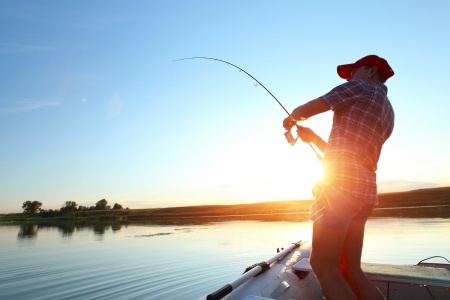
1. Choose the Right Rod and Reel
First, select a rod that matches your target species and water type. Medium or medium-light rods around 6’6”–7’ are versatile for most lakes and rivers. Pair with a spinning or conventional reel depending on whether you’re fishing light freshwater species or larger gamefish. Check out our reels collection and rods suitable for beginners.
2. Select the Proper Line
Line choice depends on species and water conditions. For small to medium freshwater fish like trout or panfish, 4–8 lb test line works best. For bass or catfish, 10–20 lb test line is ideal. Meanwhile, braided lines provide strength, while monofilament offers more stretch and forgiveness for beginners.
3. Rigging Your Rod
Setting up the rig properly is crucial. Common freshwater rigs include:
- Slip sinker rig: Ideal for bottom-feeding species like catfish.
- Carolina rig: Effective for bass near submerged structures.
- Float rig: Perfect for panfish or trout in shallow waters.
Meanwhile, attach hooks and weights carefully to avoid tangling and ensure proper bait presentation. For beginner kits, consider our freshwater rod and reel combos.

4. Attach the Right Bait
Bait selection depends on target species and local conditions. Live bait like worms, minnows, and insects work well for most freshwater fish. Artificial options like soft plastics, spinners, or small jigs are effective for bass and trout. In fact, matching bait size and color to the environment often increases catch rates.
5. Check Your Drag and Reel Settings
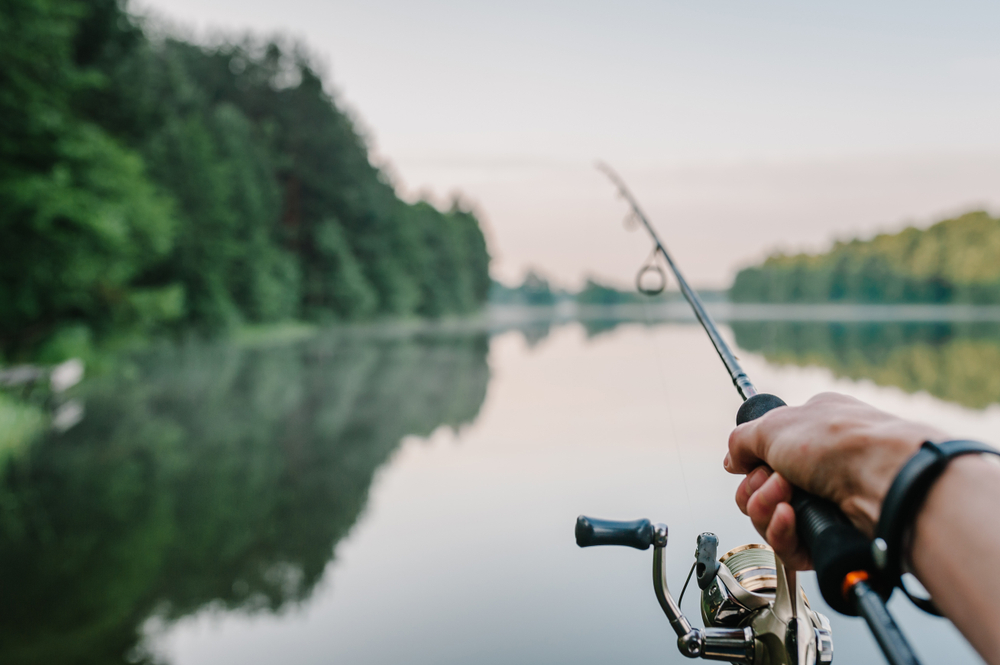
Before casting, adjust your reel drag to prevent line breakage. Test it by pulling the line with moderate force—there should be some resistance but smooth release. Meanwhile, make sure your reel handle and line guides are properly lubricated and functioning.
6. Safety and Maintenance Tips
Always inspect your rod, reel, and line for damage before heading out. Keep hooks and tackle organized in a tackle box to prevent accidents. Wear polarized sunglasses to reduce glare and spot fish more easily. Safety and proper maintenance extend the life of your gear. (Outdoor Life)
Final Thoughts
Setting up your rod correctly is essential for success in U.S. freshwater fishing. Meanwhile, a properly rigged rod improves casting, bait presentation, and fish landing rates. Explore our rods, reels, and combos at Angler Tackle Store to get started on your next freshwater adventure.