
For many anglers, success often depends on understanding how weather affects fishing. In fact, fish react differently to temperature, wind, rain, and air pressure changes. Meanwhile, adjusting your technique and gear to match each condition helps you catch more fish anywhere in the United States.

1. Temperature Controls Fish Activity
Fish are cold-blooded, so their energy levels rise or fall with the water temperature. In warm weather, fish feed aggressively in shallow zones. However, during cooler periods, they slow down and move deeper. A balanced setup—such as a multi-species rod paired with a spinning reel—lets you adapt quickly as water temps shift.
2. Wind Creates Feeding Opportunities
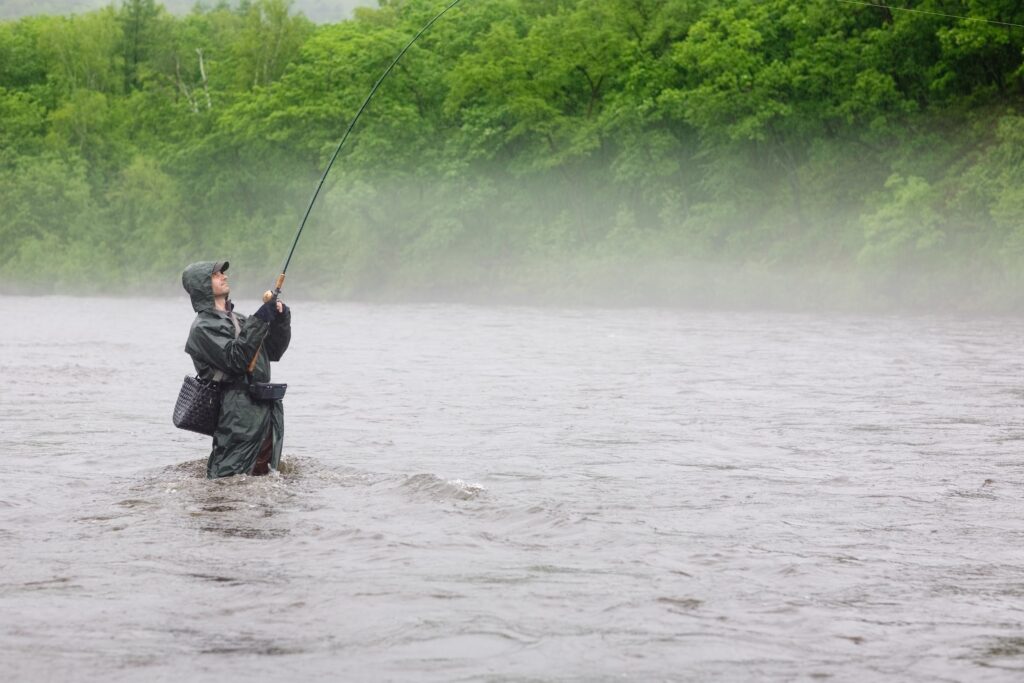
Wind stirs surface water and moves baitfish, which attracts predators. Casting into the wind often increases strikes because fish follow food toward the breeze. Meanwhile, on extremely windy days, heavier lures or freshwater combos provide better control and distance.
3. Barometric Pressure Affects Bites
Many U.S. anglers overlook barometric pressure, but it strongly influences feeding behavior. When pressure drops before a storm, fish feed actively. Conversely, after a cold front, high pressure can make them sluggish. Watching local forecasts helps you plan trips during stable or falling pressure for the best results.
4. Cloud Cover and Sunlight
Overcast skies encourage fish to roam and feed in shallow areas because reduced light lowers visibility. In contrast, bright sunshine pushes them toward shade or deeper water. Meanwhile, polarized sunglasses and medium-depth lures improve accuracy when fishing under clear skies.
5. Rain and Storm Conditions
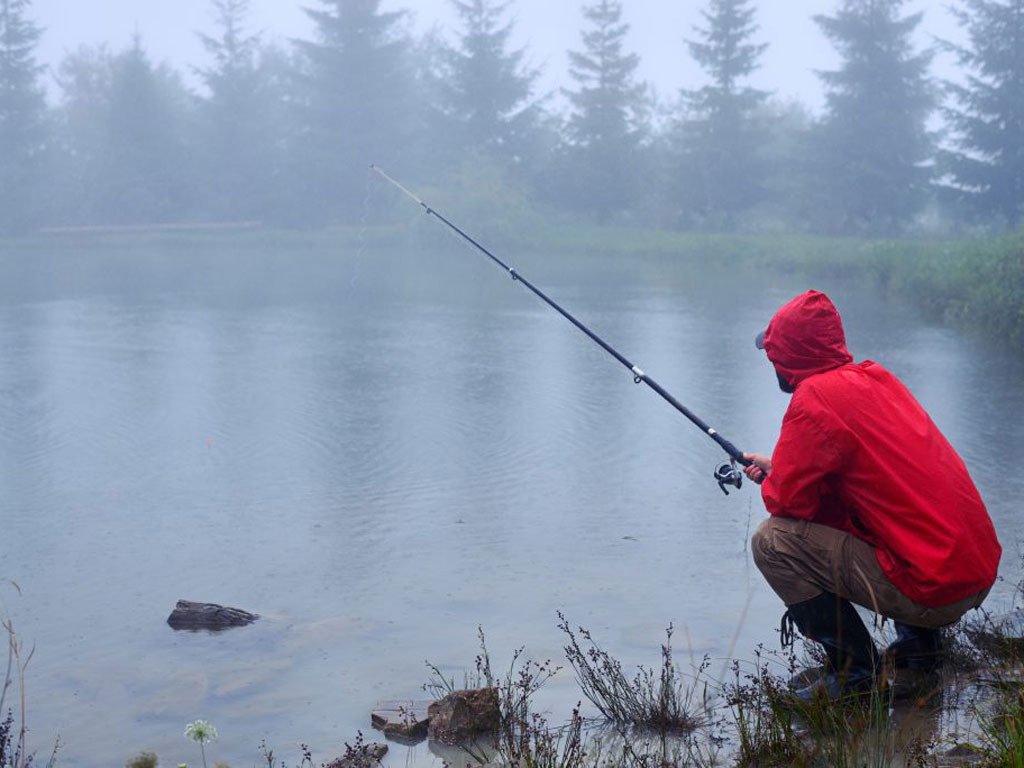
Light rain can be beneficial because it cools the surface and adds oxygen, increasing activity. In fact, runoff after a shower often carries food into creeks and lakes, attracting fish. However, heavy storms can muddy water and lower visibility. Safety should always come first during lightning or strong winds.
6. Seasonal Weather Patterns
Each season affects fish differently across the U.S. Spring warming triggers spawning and shallow-water feeding. Summer heat drives fish deeper. Meanwhile, fall cooling sparks heavy feeding before winter. Winter itself demands slow presentations and sensitive rods to detect light bites.
7. Regional Weather Considerations
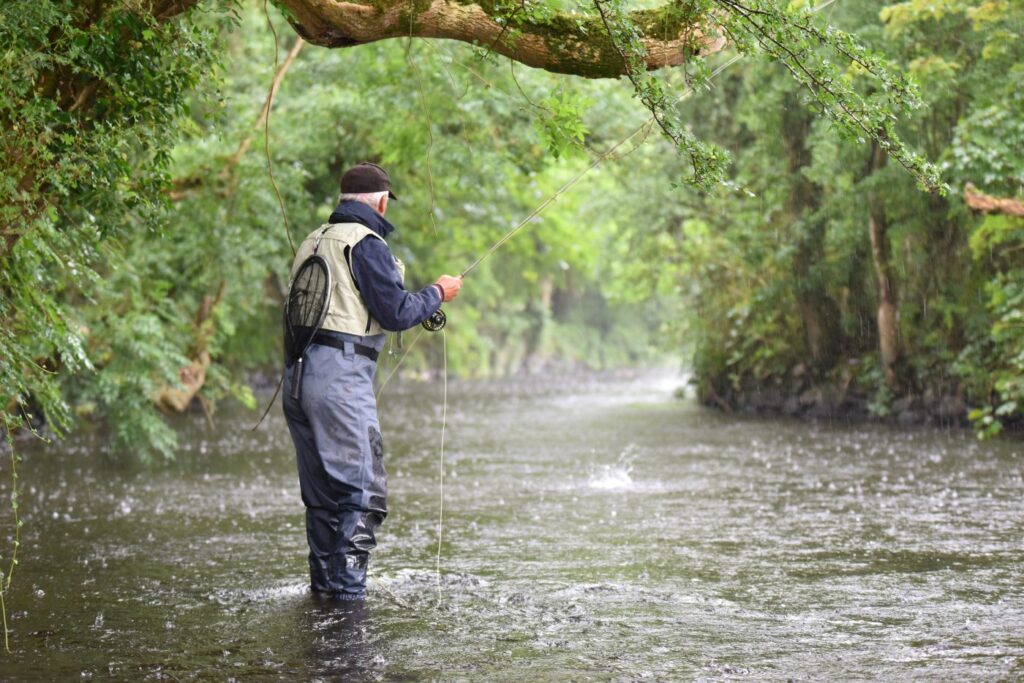
In the South, sudden summer storms are common, so anglers should keep waterproof gear handy. In northern states like Minnesota or Wisconsin, ice conditions dictate safety and timing. Meanwhile, western reservoirs experience rapid wind shifts, requiring quick adjustments in lure weight and depth.
Practical Weather-Fishing Tips
- Check forecasts from the National Weather Service before any trip.
- Carry multiple setups—light, medium, and heavy—to handle varied weather.
- After storms, focus on runoff channels and current breaks.
- Use reliable combo kits for quick gear changes.
Final Thoughts
Weather plays a huge role in every fishing trip. In fact, reading clouds, wind, and temperature gives you a serious advantage. Meanwhile, with dependable reels, durable rods, and versatile combos from Angler Tackle Store, you’ll be ready to fish confidently in any condition the U.S. weather delivers.