
Saltwater anglers often debate whether jigging or trolling is the most effective technique. Both methods can deliver trophy fish, but they require different gear, tactics, and skills. For beginners and seasoned anglers alike, understanding the strengths and weaknesses of jigging and trolling helps you choose the right strategy for your next trip.

Let’s begin with jigging. This technique involves dropping a weighted lure, or jig, into the water column and working it vertically. A high-quality specialised jigging reel is essential because it provides torque and smooth drag. Pair it with a responsive Valiant jigging rod for sensitivity and strength. Jigging is especially effective for species like amberjack, grouper, and snapper that stay close to reefs or wrecks.
Trolling, by contrast, means dragging baits or lures behind a moving boat. This technique covers large areas of water and is ideal for pelagic fish such as tuna, mahi-mahi, and marlin. A sturdy conventional reel paired with a bluewater trolling rod handles the stress of trolling at speed. Many anglers prefer trolling when targeting migratory fish that travel long distances.
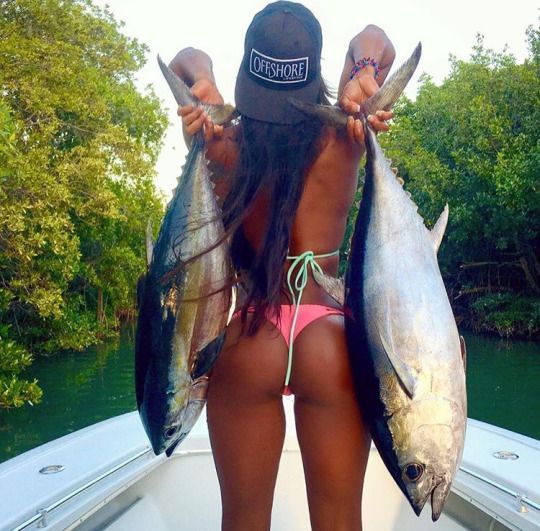
So, which one works best? The answer depends on your fishing goals. Jigging is more hands-on. It demands endurance but rewards you with explosive strikes and a direct connection to the fish. Trolling, however, is less physically demanding and often produces larger pelagic species. Beginners may find trolling easier to start with, while advanced anglers enjoy the challenge of jigging.

Another key factor is location. Jigging shines in areas with structure—reefs, wrecks, and drop-offs. Trolling, on the other hand, excels in open water where pelagic fish roam. Think of trolling as a hunting method and jigging as a precision strike.
Line setup also varies. Jigging relies on braided line for sensitivity and a fluorocarbon leader for stealth. Trolling setups often use heavier mono to absorb shock when fish strike at high speeds. Matching the right line to the technique dramatically improves your hookup rate.
Timing influences success as well. Jigging works all day but is particularly effective when fish are feeding deep. Trolling is more productive during early mornings or late afternoons, when pelagic fish rise closer to the surface. Both techniques benefit from understanding tides, currents, and bait movement.

For anglers who want a straightforward solution, consider saltwater combos. These matched sets include reels and rods balanced for specific techniques, making them perfect for those deciding between jigging and trolling.
Maintenance should not be overlooked. After jigging, rinse reels and rods with fresh water to prevent salt buildup. Trolling gear also needs care, especially lures and lines exposed to constant drag. A consistent cleaning routine ensures your equipment lasts season after season.
Still undecided? Many anglers mix both methods during a trip. You can troll to locate schools of fish and then switch to jigging once you find structure. Combining the two maximizes your chances and keeps the day exciting.
For more insights, check resources like Sport Fishing Magazine and NOAA Fisheries, which cover saltwater fishing tactics in depth.
Ultimately, neither jigging nor trolling is strictly better. Instead, each shines in different conditions. By understanding the differences, you can adapt, experiment, and discover which method suits your style and target species best.
Meta: Jigging vs trolling—discover which saltwater fishing technique works best in 2025. Learn reels, rods, line setups, and strategies to catch more fish.