
Choosing between live bait and artificial lures is one of the most common questions anglers face. In 2025, both options have advantages and drawbacks depending on fish species, water type, and fishing conditions. Moreover, understanding when to use each approach helps you maximize catches and improve your overall fishing experience.
Live Bait Advantages
Live bait remains highly effective for many species. Its natural scent, movement, and texture often trigger aggressive strikes. For example, worms, minnows, and shrimp work well in freshwater and saltwater environments. Moreover, live bait requires less skill in presentation, making it ideal for beginners. Pairing live bait with freshwater combos or saltwater combos ensures consistent performance.
Live Bait Disadvantages
Despite its effectiveness, live bait has limitations. It can spoil quickly, especially in warm weather, and requires proper storage and care. Additionally, some species may ignore live bait if it does not resemble their natural prey. Handling live bait also requires extra attention to prevent accidental harm or escape.
Artificial Lures Advantages
Artificial lures offer versatility and convenience. They are reusable, easy to store, and available in a wide variety of colors, shapes, and sizes. For instance, crankbaits, spinnerbaits, and soft plastics allow anglers to mimic prey species and adjust presentations. Moreover, using spinning reels or specialized reels improves casting accuracy and lure control.
Artificial Lures Disadvantages
Artificial lures require more skill to be effective. Anglers must master casting, retrieval speed, and lure action. Additionally, some fish species may not respond to artificial lures in certain conditions, especially when water is cold or heavily pressured. However, learning these techniques increases versatility and expands your options on the water.
When to Use Live Bait
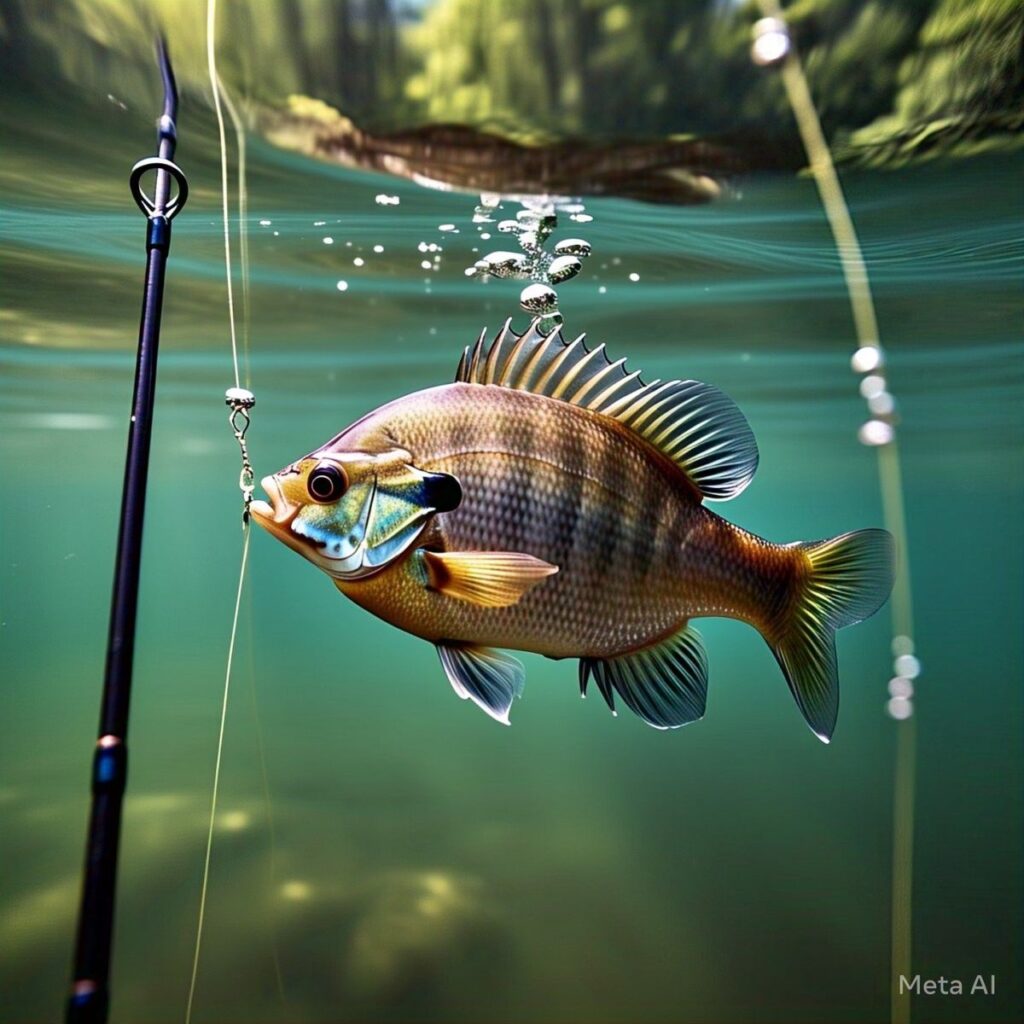
Live bait excels in situations where fish rely heavily on scent and movement to locate prey. For example, bottom-dwelling species like catfish and grouper often prefer live bait. Moreover, in heavily fished areas, live bait may trigger strikes when artificial lures fail. Beginners should start with live bait to build confidence while learning casting and retrieval techniques.
When to Use Artificial Lures
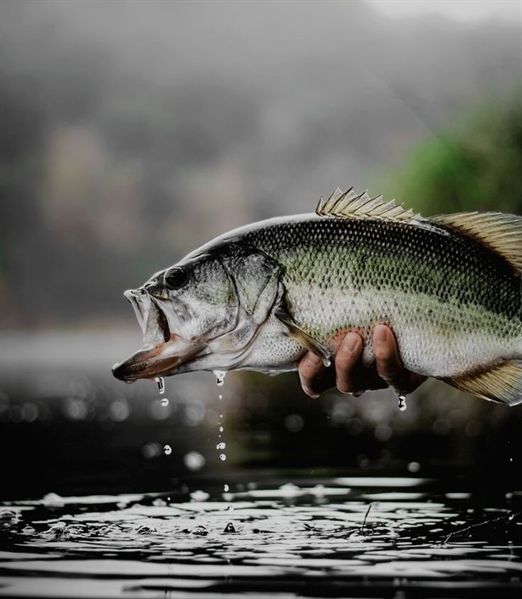
Artificial lures are ideal for targeting active, predatory species like bass, pike, and trout. They allow precise control over depth, speed, and action. Additionally, lures are perfect for covering large areas of water efficiently. Pairing lures with multi-species rods or valiant rods maximizes performance.
Combination Strategies
Some anglers combine both approaches. For instance, using live bait under a bobber while casting lures nearby can increase success. Similarly, adding scent or attractants to artificial lures can mimic live prey, blending the advantages of both methods. Moreover, experimenting with combinations in different water conditions helps develop versatility and skill. For additional guidance, check resources from Bassmaster.
Conclusion
Both live bait and artificial lures have unique benefits in 2025. Live bait excels for natural presentation and beginner-friendly fishing, while artificial lures offer versatility, reusability, and precision. Understanding when and how to use each option is essential for consistent success. Moreover, pairing the right bait or lure with quality gear such as conventional reels or boat rods improves performance. By mastering both, anglers can adapt to any fishing scenario and increase their catch rates throughout the year.
Meta: Learn the pros and cons of live bait vs. artificial lures i